Own Serendipity Quilts by Susan Carlson
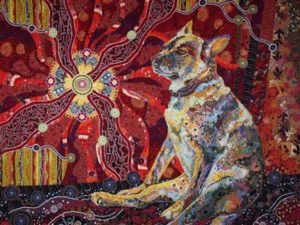
Fabric Collage Quilts by Susan Carlson
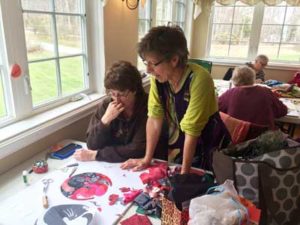
Take or Book a Class with Susan Carlson
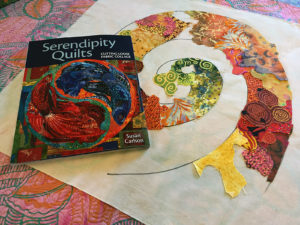
Books and Patterns for Sale
From Photo to Fabric: Choose the Best Shot
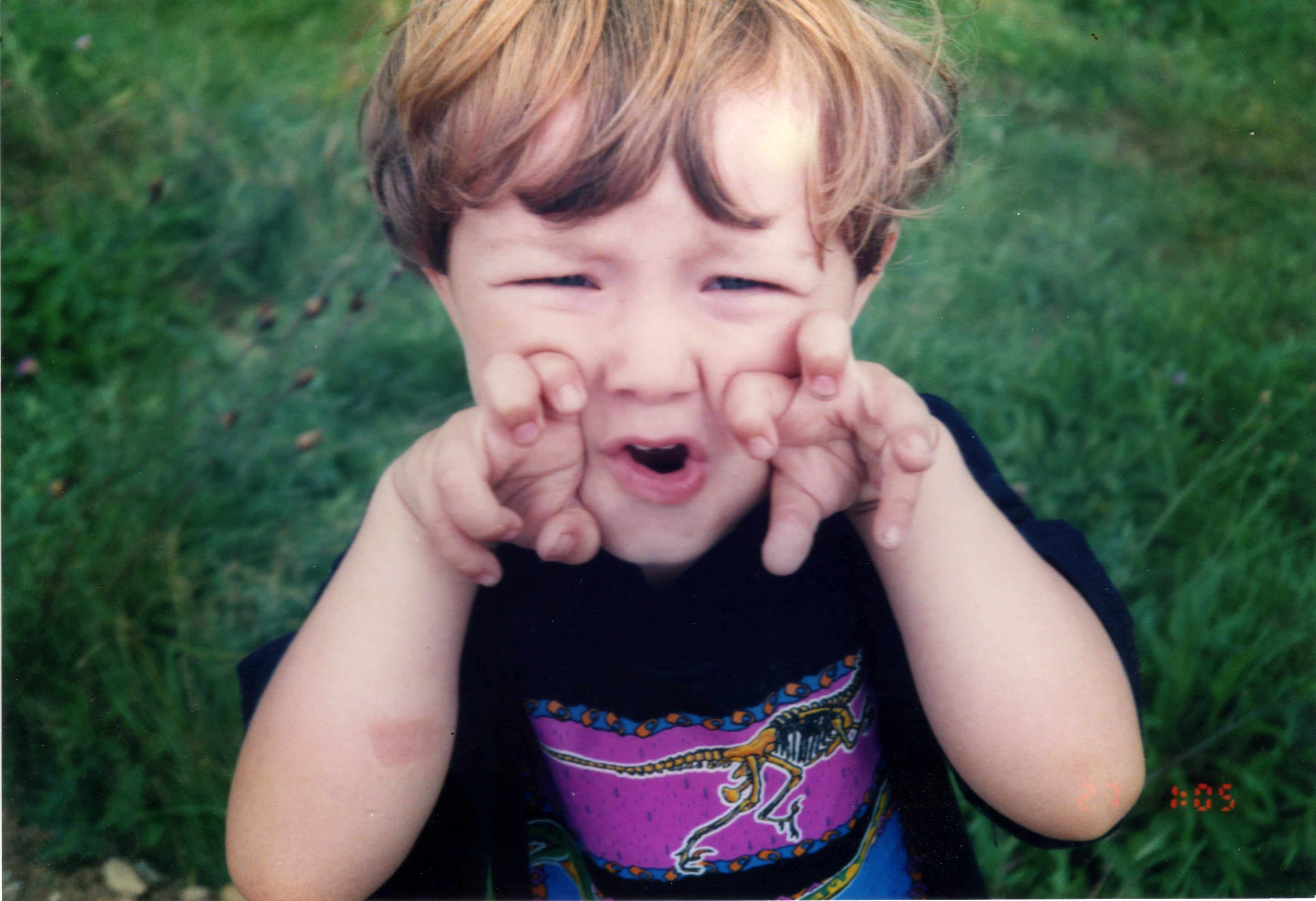
Listen up. Time for some tough love. That picture of your laughing grandchild, that snapshot of your beloved bulldog, the antique photo of your great-grandmother: what wonderful memories they elicit! … Read More
Making a Pattern for a Fabric Collage Quilt
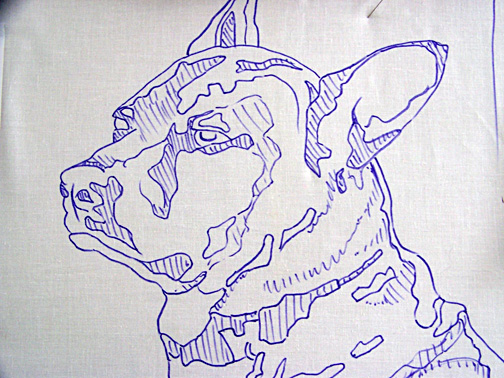
So you want to make a fabric collage quilt. Great! After choosing an image to work from, the next step in creating a fabric collage quilt is making a simple pattern. This is a critical step, one that even beginning students sense has an enormous influence on the success of their finished product.
Why Glue?
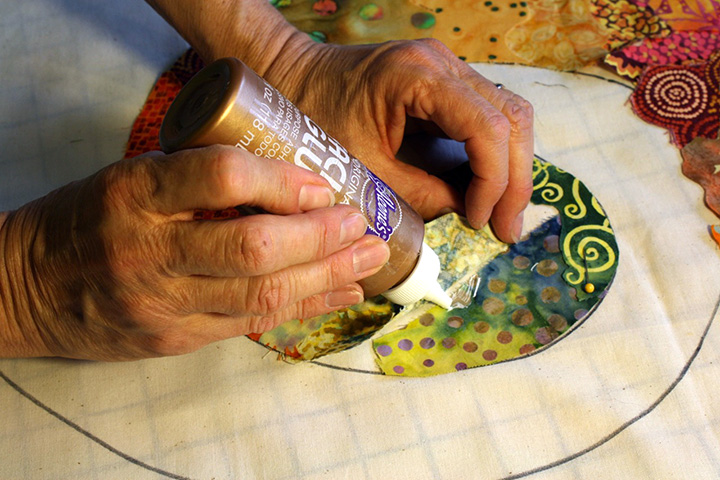
“You use glue? Really?” I get asked about it a lot and the questions usually fall into one of three categories: why adhesive at all, why not fusible, and how do you do it?
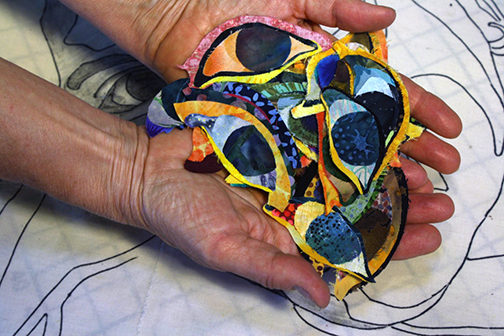
An Eye for an Eye
Imagine you’re in one of my five-day classes. You’ve chosen an ambitious project: a fabric collage portrait of an important person in your life. But this is day two of the … Read More
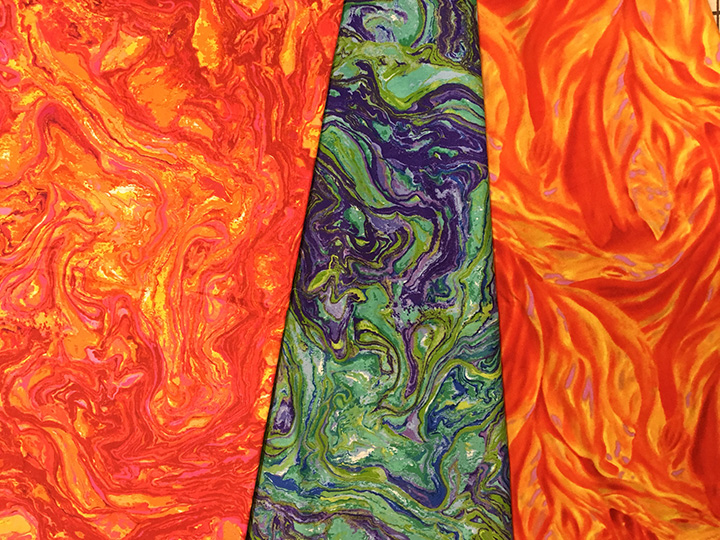
Choosing Fabric for Fabric Collage
Of course, while I must admit that I have such a broad taste in color and design that my husband sometimes says it amounts to no taste at all (I prefer to describe my taste as “eclectic”), I do have some broad guidelines for how I select fabric. If I had to break it down, I might use the following criteria: color, pattern, scale, and quantity.
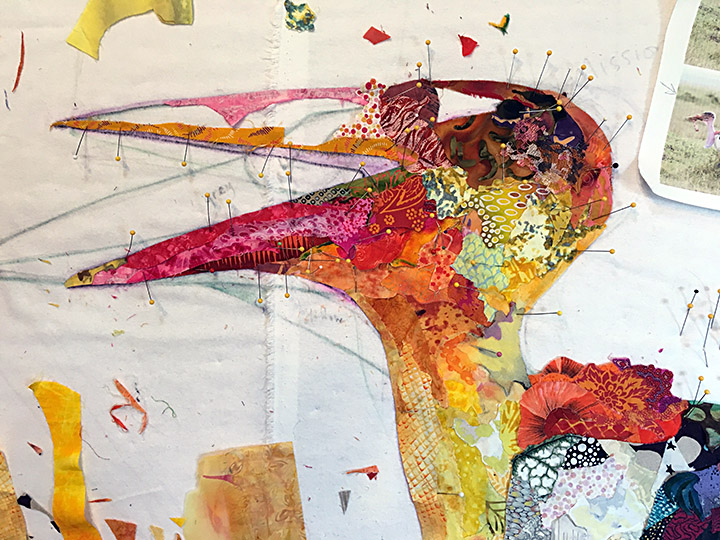
In Progress: Marabou Stork 2
A few weeks ago I introduced a new quilt I’m working on. For now I’m calling “him” Oscar the Marabou stork. (Feel free to submit more formal title ideas in the comments below.) … Read More
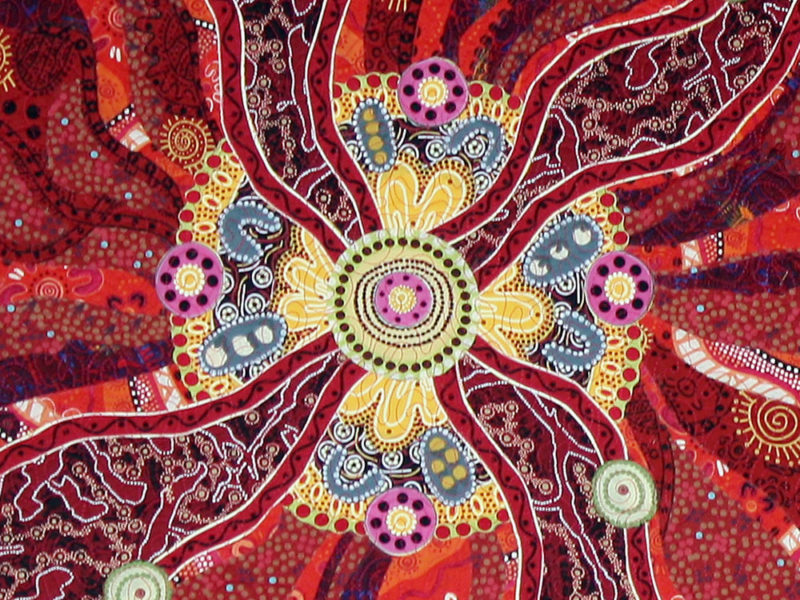
Telling the Story: Fabric Collage Backgrounds
At the end of a four or five day class, my students will be exhausted (and so will I!). Most of them will have spent the entire time working on the main … Read More
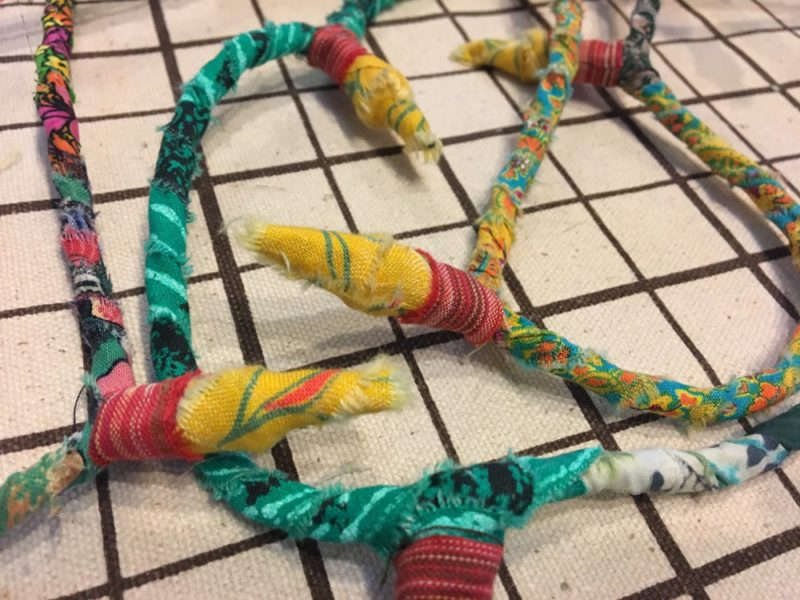
The Season of Light: A Maker’s Project
I grew up crafty. When I moved to Maine I was cunning (as in, “ain’t you cunnin’.” Insert forced smile here.) Now I call myself an artist, but also I’m a … Read More
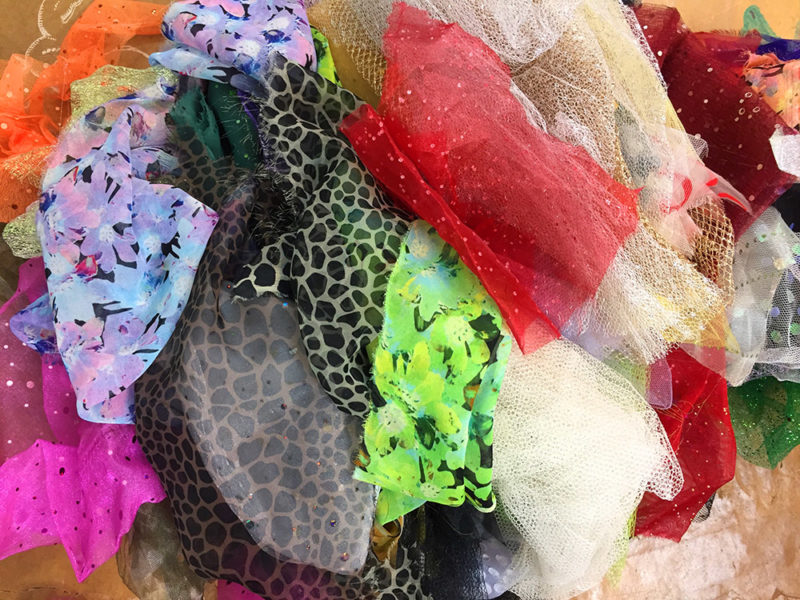
Using Sheer, Netting, and other Semi-Transparent Fabrics
It isn’t always clear to those who haven’t seen my work in person how much netting, tulle and other semi-transparent fabric I use in my quilts. For simplicity’s sake I’m going … Read More
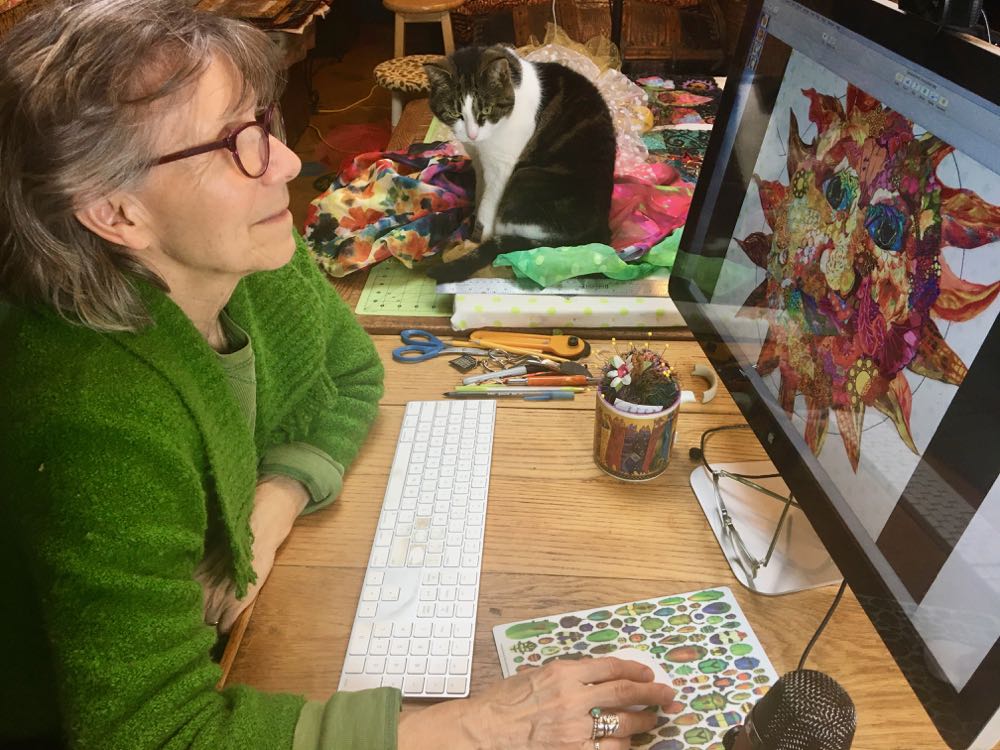
Susan’s use of video conferencing will give you the feedback
to keep you progressing toward your fabric collage goals.
Can also be customized for small groups. Create your own fabric collage workshop!
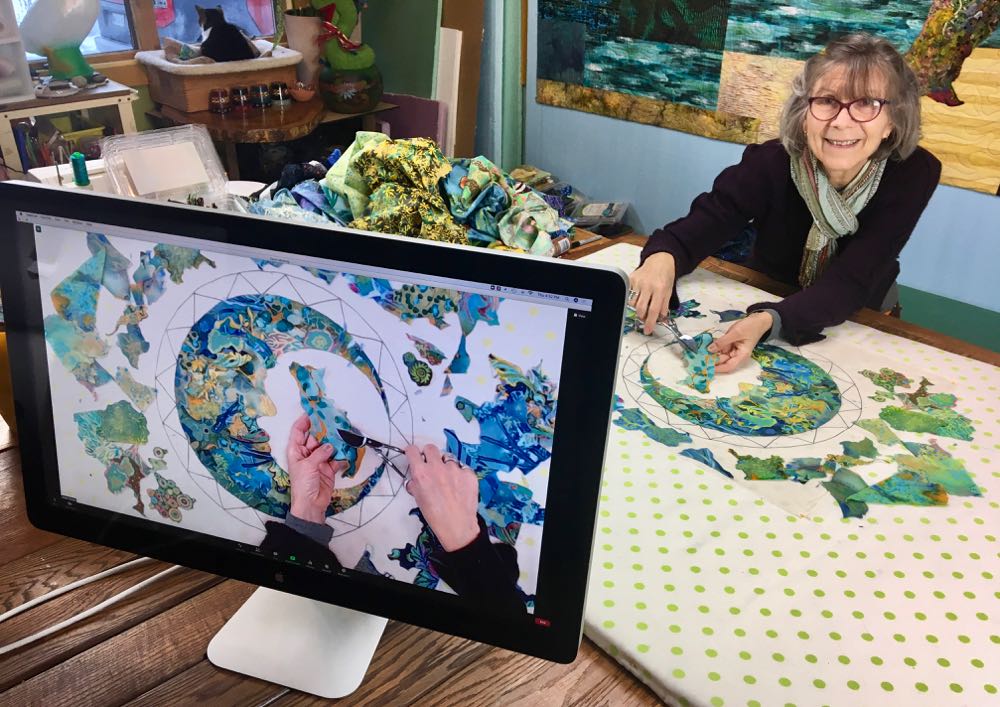
Take a class with Susan Carlson—from wherever you are in the world!
No expensive and stressful travel and access to your fabric stash.
Subscribe to the blog to be informed of upcoming classes.